


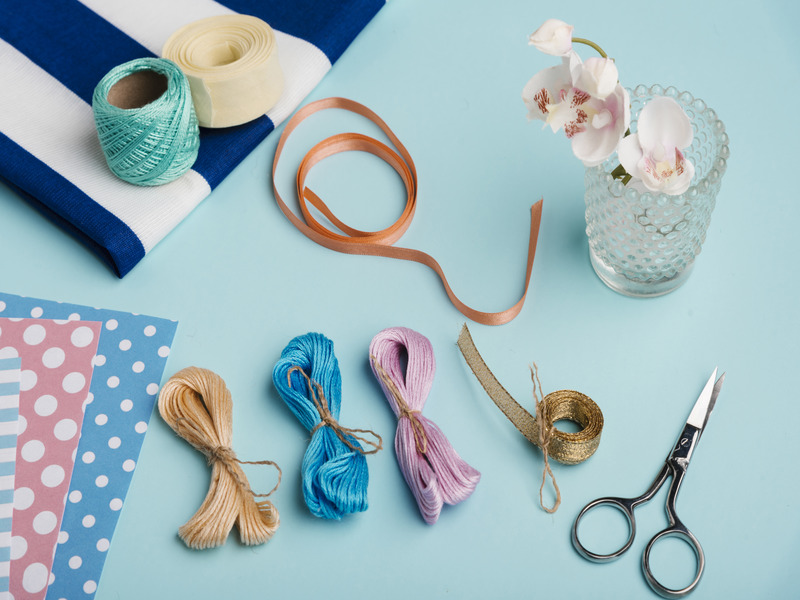
Choosing the right trimmings, ribbons, and elastics can make the difference between a DIY project that looks homemade and one that has a professional finish. Whether you’re sewing garments, making accessories, or creating home décor, this guide explains how to select trims based on fabric weight, stretch, durability, and intended use.
How to Master the Fine Art of Haberdashery Essentials
The structural and decorative elements that you choose at the last were crucial to any successful sewing or DIY project. The perfect accent can really make a simple garment into a professional and functional piece. The wrong trim can make clothes look distorted or cause straps to break with very little weight.
In this tutorial, you will discover the exact method of classification of various supplies for haberdashery according to their physical characteristics. The difference between structural elements and decorative accents will be explained. Finally, you’ll be able to choose materials with full confidence knowing you can create with them for many years and they will look great while you’re at it.
How Do You Select the Best Decorative Trimmings and Ribbons?
Decorative elements can add beauty, but should be consistent with the movement of your base material. It is best not to put a stiff trim on a stretchy knit fabric as it will bunch the fabric in an unnatural manner. On the other hand, the use of too fine a ribbon when applied to a heavy coat causes the trim to disappear altogether.
Select textures and flexibility when choosing decorative elements. This soft texture ribbon is ideal for soft headbands or comfortable apparel waistbands, it is available in velvet elastic ribbon. A sequin trim that is flexible and allows movement is ideal for eye-catching shimmer for party wear or festive crafts, without weighing down light materials. A sturdy metallic rope gives a strong clean line for home decor in the structure or for unique packaging for gifts, which lasts over time.
| Trim Type | Visual & Physical Properties | Best Applied To |
| Velvet Elastic Ribbon | Soft, plush surface with functional stretch | Apparel waistbands, hair accessories, luxury packaging |
| Sequin Trim | Shiny, reflective, and highly flexible | Evening wear, festive decor, costume design |
| Metallic Rope | Rigid, thick, non-stretch structural cord | Home decor piping, heavy gift wrapping, drawstrings |
When Should You Use Cotton Webbing Tape Versus Elastic?
The answer depends on whether or not your project requires webbing or elastic: Will it stretch or will it need to be tight when stretched? Mixing these up will inevitably lead to issues in the usability of bags or clothes.
The material characteristics for strapping on a garment are very different from those of flexible waistbands. Cotton webbing tape belting fabric strap material is used for heavy-duty utilities. This means that bag handles, luggage straps and utility belts will never become too short, or lose their tension, when fully loaded.
If comfort and flexibility are your top priorities, however, then you need to opt for elastic. Elastic is used in fabrics to enable them to move in a smooth manner, which is important for clothes.
Let’s take a brief look at a handy checklist to see just which structural support material you need for your project:
- Choose Cotton Webbing Tape if: you’re working on heavy-duty tote bag handles, structural backpack straps, or that supportive utility belting type of thing.
- Choose Elastic Ribbons if: you’re building flexible waistbands, gathering sleeves, or making form-fitting athletic wear.
- Choose Combined Elements if: you need a rigid casing, the webbing, that holds a flexible inner cord, the elastic, so you get adjustable drawstrings.
A Step-by-Step Guide to Matching Materials to Specific DIY Projects
Selecting haberdashery essentials does not have to involve guesswork. Following a structured order of operations ensures that your functional items hold up under stress and your decorative items stay securely attached.
1. Evaluate Base Fabric Weight and Stretch
Always weigh your base fabric before buying trims. A lightweight chiffon will tear if paired with heavy metallic ropes. Match light trims with delicate fabrics, and reserve heavy webbing for thick, structural textiles.
2. Determine the Mechanical Requirement
Decide if the element needs to stretch, bear weight, or simply look attractive. Write down whether the component needs to expand during use or hold a fixed, non-yielding length.
3. Coordinate Washing and Care Instructions
Ensure the trim matches the care needs of the main fabric. Sewing a dry-clean-only velvet ribbon onto a machine-washable cotton t-shirt will result in a ruined garment after the first wash cycle.
What Are Real-World Examples of Matching Trims to Fabrics?
It’s pretty easy to picture how this works once you actually see it in action, so your next crafting idea can go a lot smoother. Let’s walk through two everyday situations creators run into, and then figure out what kind of materials to choose.
Scenario A: Making a Personalized Canvas Tote Bag
A maker has to add handles to a large canvas bag that will be used for carrying groceries. If a thin ribbon is used, the handles would tear up at once. Rather, the 38mm wide cotton webbing tape was applied evenly over the canvas base, resulting in a very professional grade handle that is extremely durable.
Scenario B: Creating a Child’s Velvet headband
A crafter wishes to create a soft, easy-to-put-on and comfortable headband with glitter. They chose a soft velvet elastic ribbon with a few sequin accents, instead of the stiff plastic. The elastic properties maintained the head band to be firmly held in place on the head whereas the softness of the velvet material prevented any skin irritation.
FAQs About Haberdashery Supplies
Can I use velvet elastic ribbon for functional waistbands in clothing?
Yes, it is a very effective ribbon for exposed apparel waistbands, as a type of elastic ribbon. Soft and plush, it will not chafe on the skin, and the stretch and recovery that can be provided by the elastic core comes into use in active wear..
What is the difference between 25mm and 38mm cotton webbing tape?
The main difference is the load distribution and the visual scale. The 25mm webbing is ideal for smaller accessories such as keychains, child sized straps and cross body bags. The broader webbing is 38mm and intended for heavy-duty use such as large duffel bags, guitar straps and luggage belts where maximum support is required.
How do I prevent metallic rope and sequins from fraying when cut?
For metallic rope, it helps to secure the spot first. Put a small strip of clear tape tightly around where you’re cutting , then cut right through the center of the tape. It keeps the strands from opening up. For sequin trims, dab a tiny drop of fabric glue on the cut edge, basically to pin down the holding threads so they don’t loosen after.
Is a cotton webbing tape machine washable?
Cotton webbing tape is a material that can be machine washed; however, it does tend to shrink some in the initial wash. Strongly recommended to pre-wash webbing tape before sewing it on to the project as this will help avoid pucker.
Key Takeaways for Your Next Project
The best accent is the one that looks lovely, but it also actually works in real life, you know. So, always keep in mind to pick the weights carefully, take a minute and see if your piece will stretch too,and then choose materials that match the care instructions for your base fabric before you even start your next design.
Shop the HaberCrafts Trimmings, Ribbons & Elastic collection now to find premium essentials tailored to your project. Premium haberdashery supplies ensure your creative ideas turn into durable, professional realities.