

Blog
What Are Acetate Sheets Used for in Arts and Crafts?

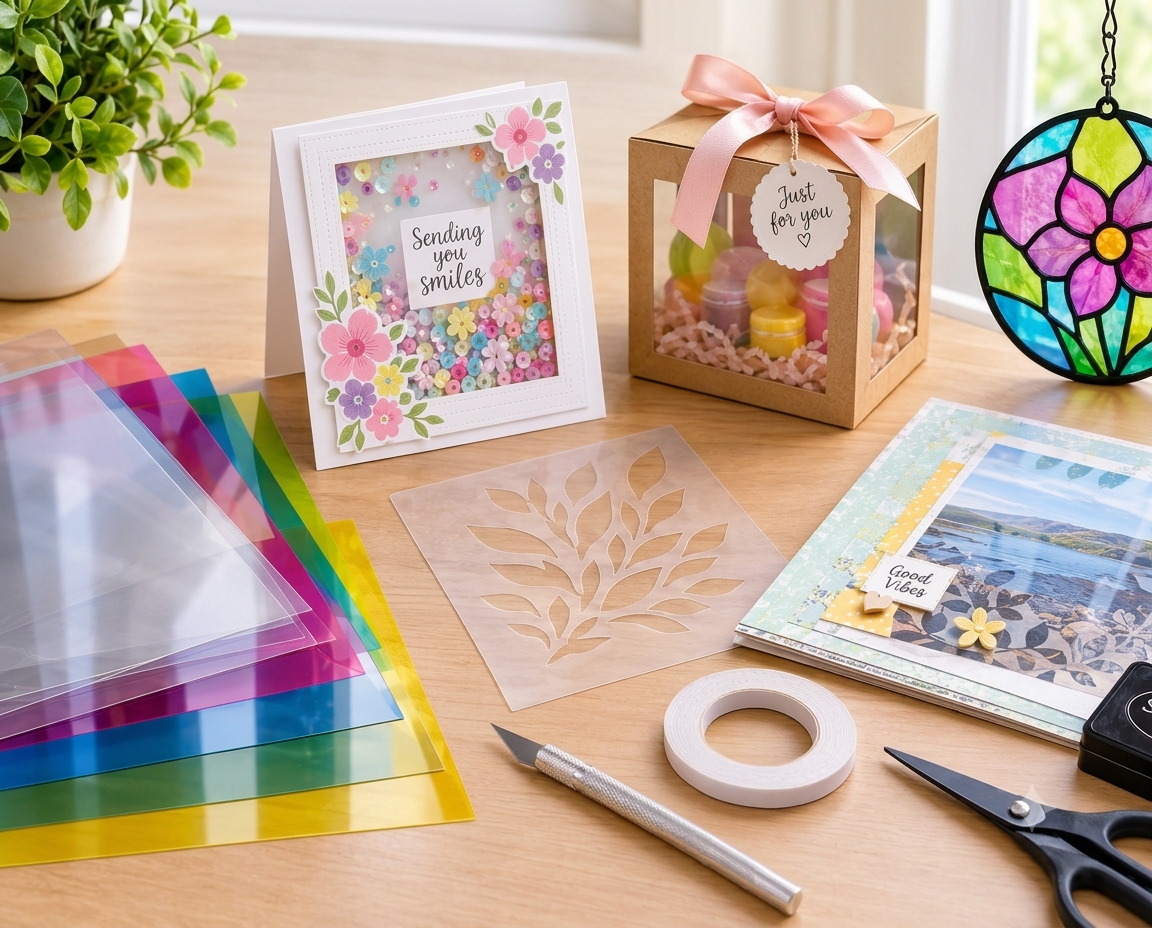
In arts and crafts, acetate sheets are clear, flexible plastic films used to create shaker cards, window boxes, protective photo overlays, reusable stencils, and stained-glass effects. Crafters value acetate for its high clarity, tear resistance, and smooth surface, allowing easy cutting with scissors or craft knives while adding professional dimension and structural support to papercraft projects.
What Will You Learn About Using Acetate Sheets in Crafting?
Whether you are an experienced papercrafter, scrapbooker, or mixed-media artist, working with transparent materials opens up creative possibilities. Acetate sheets allow crafters to incorporate see-through windows, protective barriers, and multi-dimensional layers into DIY projects without adding excessive weight.
In this practical guide, you will learn the primary uses for clear and colored acetate sheets in arts and crafts, explore techniques for cutting and adhering acetate, review project ideas across card making and model building, and discover essential tools for seamless crafting.
What Are the Most Popular Craft Uses for Acetate Sheets?
Acetate sheets are prized for their clarity, durability, and flexibility. Their non-porous surface provides structure while remaining easy to cut and manipulate.
- Interactive Shaker Cards: Serve as the transparent window seal holding sequins, glitter, or beads inside interactive greeting card pockets.
- Window Cards & Gift Packaging: Create clear window panes for handmade boxes, lantern crafts, and aperture greeting cards.
- Reusable Custom Stencils: Cut intricate designs out of durable acetate sheets to apply ink, spray paint, or texture paste across multiple uses.
- Scrapbook Overlays & Page Protectors: Add printed or hand-stamped transparent overlays over photos and journaling cards to build visual depth.
- Stained-Glass & Suncatcher Crafts: Use colored or tinted acetate sheets to mimic stained glass when light passes through window displays.
To browse high-quality transparent crafting media in various sizes and color packs, explore the Habercrafts Acetate Sheets Collection.
How Do Acetate Sheets Compare to Other Crafting Transparency Materials?
Selecting the right clear film depends on your project’s structural demands, heating requirements, and printing goals:
| Feature / Property | Clear Acetate Craft Sheets | Standard Tracing Paper | Universal OHP / Laser Film |
| Transparency & Clarity | Crystal clear; non-cloudy finish. | Semi-opaque; milky translucency. | Crystal clear; coated for printer ink. |
| Material Thickness | Flexible yet semi-rigid 100 micron. | Lightweight paper (63gsm–112gsm). | Thin printable plastic film. |
| Primary Craft Uses | Shaker windows, 3D structures, stencils. | Sketching, pattern tracing, overlays. | Inkjet/laser printed transparencies. |
| Heat Tolerance | Keep away from direct high heat tools. | High heat tolerance for embossing. | Formulated to withstand printer heat. |
To compare translucent papers for technical drawing and sketching, check out our selection of Habercrafts A3 & A4 Tracing Paper Sheets.
Step-by-Step: How to Build a Shaker Card Window with Acetate
Creating a shaker card is one of the most rewarding ways to utilize acetate sheets in papercrafting.
- Die-Cut the Front Frame: Cut a window opening out of sturdy cardstock to form your card frame.
- Trim the Acetate Sheet: Cut a piece of clear acetate slightly larger than your cardstock window frame.
- Adhere the Window Panel: Secure the acetate to the backside of your cardstock frame using double-sided craft tape or clear liquid adhesive.
- Apply 3D Foam Tape: Border the window perimeter on the back with double-sided foam tape, ensuring no gaps remain for shaker elements to escape.
- Fill and Seal: Place sequins or glitter in the center of your card base, then align and press your acetate frame down to seal the shaker pocket.
For sturdy cardstock foundations to pair with your acetate windows, browse our range of Habercrafts Colored Paper & Cardstock.
Essential Tips for Cutting, Stamping, and Gluing Acetate Sheets
Working with smooth plastic surfaces requires specific techniques to maintain a clean finish without smudges or tears:
- Cutting Clean Lines: Use a sharp craft knife, precision rotary cutter, or heavy-duty scissors along a steel ruler for crisp edges.
- Choosing the Right Ink: Use solvent-based inks (such as StazOn) when stamping onto acetate so the ink dries without smudging or sliding off.
- Selecting Adhesives: High-tack double-sided tape or specialized clear craft glue works best; avoid wet PVA glues that slide on non-porous plastic.
- Preventing Static and Smudges: Wipe acetate sheets with a microfiber cloth or anti-static tool before assembly to remove dust and fingerprint oils.
To find additional materials like craft foam, display boards, and cutting tools for your projects, visit the Habercrafts Craft Accessories Hub.
Frequently Asked Questions
Can you print directly onto standard craft acetate sheets?
Standard craft acetate sheets are non-porous and not designed for thermal printing. Standard printer inks will bead or smudge on regular craft acetate. For printing graphics or text from home printers, use specialized printable transparency films instead.
What is the best glue to use on clear acetate sheets?
Strong double-sided tape, clear glue dots, or fast-drying solvent adhesives work best. Standard water-based craft glues do not bond well to non-porous plastic surfaces and take a long time to dry.
Can you heat emboss on clear acetate sheets?
Craft acetate can warp or melt if exposed to direct high heat from an embossing heat tool. If you want to heat-emboss sentiment stamps on acetate, use heat-resistant acetate sheets or hold your heat gun at a distance with quick, sweeping motions.
Are colored acetate sheets available for craft projects?
Yes. Colored acetate sheets are available in a wide variety of different colors, such as red, blue, green, pink and yellow tinted shades. They’re used to make stained glass, suncatchers for holidays, and overlays for colour filtering.
Key Takeaways for Using Acetate Sheets in Your Craft Room
Acetate sheets are an essential staple for papercrafters, model makers, and DIY artists. Their crystal-clear transparency, smooth texture, and structural flexibility make them ideal for building shaker cards, window boxes, protective overlays, and custom stencils. By pairing acetate with the right adhesives and cutting tools, you can add dynamic layers and professional polish to every project!