


Blog
How to Use Water Brush Pens for Painting, Sketching and Lettering

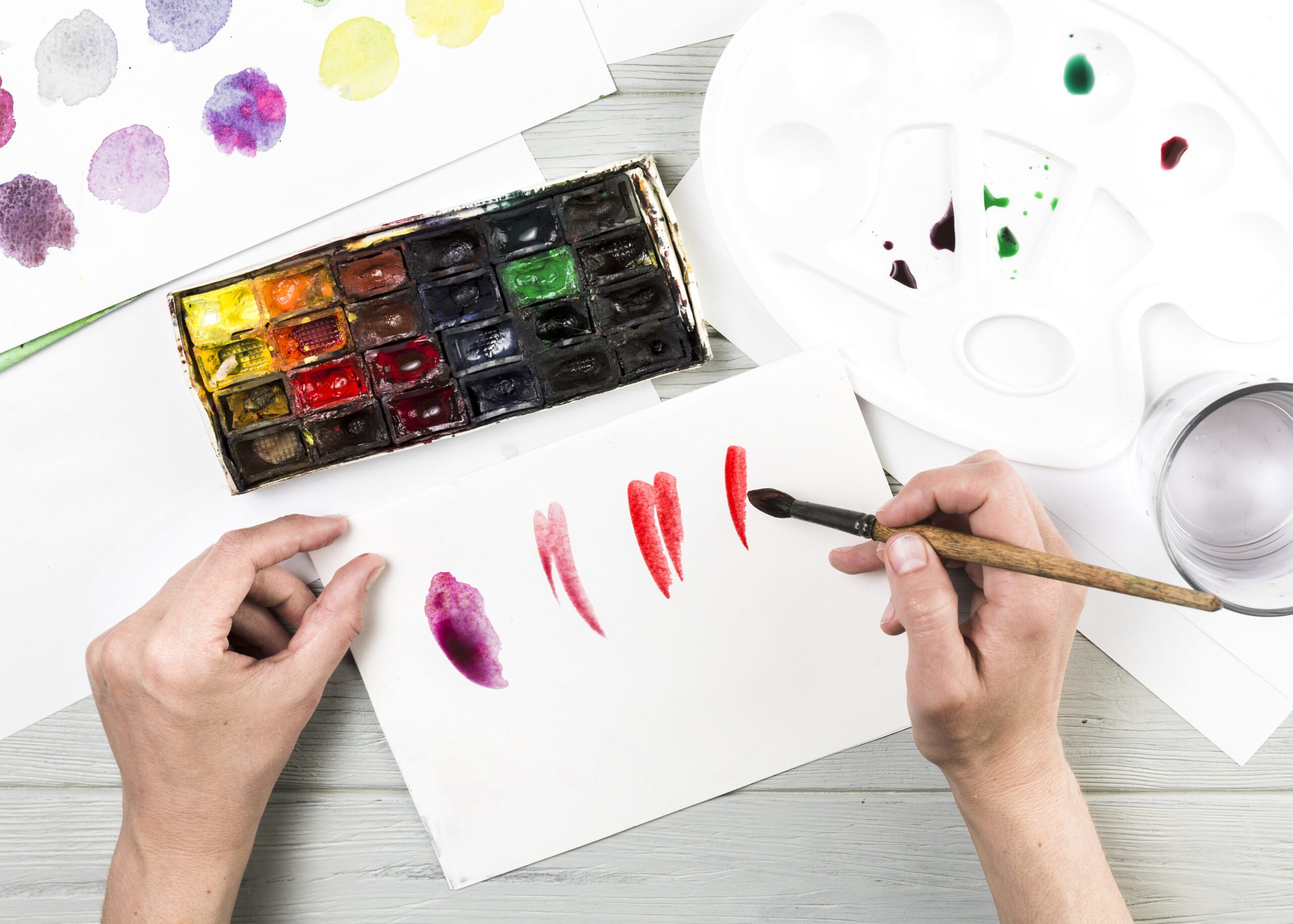
Water brush pens are filled with water inside a translucent barrel to provide a continuous, controlled flow of moisture to your brush tip. By squeezing the barrel or letting natural capillary action feed the synthetic bristles, you can blend watercolor paints, activate water-soluble pencils, and create smooth calligraphy gradients without carrying a separate water jar.
Traditional watercolor painting traditionally requires juggling a cup of water, a mixing palette, paper towels, and multiple brushes. For urban sketchers, hobbyists, and lettering artists on the move, that setup is bulky and messy.
In this guide, you will learn how water brush pens work, how to master water control for sketching, painting, and modern calligraphy, and how to keep your tools performing like new.
What Is a Water Brush Pen and How Does It Work?
A water brush pen—often referred to as an aqua brush—consists of three core components: a screw-on cap, a resilient synthetic bristle tip, and a squeezable water reservoir barrel.
When you use [suspicious link removed], understanding their mechanical design helps you regulate moisture perfectly:
- The Barrel: A translucent, durable plastic chamber that holds clean water so you can monitor your supply at a glance.
- The Valve & Feed: A controlled channel that regulates water flow from the barrel to the bristles as you apply gentle pressure.
- The Synthetic Tip: Resilient nylon bristles that hold a sharp point for fine details while maintaining spring-back shape across repeated projects.
How Do You Prepare and Fill a Water Brush Pen?
Getting started with a fresh water brush takes less than a minute. Proper filling ensures you don’t experience sudden leaks or dry patches while working on your art.
- Unscrew the Barrel: Twist the brush head clockwise or counter-clockwise (depending on the reverse-thread design) to separate the bristles from the water chamber.
- Fill with Clean Water: Submerge the open barrel under a tap or fill it using a clean container. Leave a small air gap at the top to allow pressure control.
- Re-screw Securely: Twist the barrel back onto the handle until tight to prevent any leakage around the threading.
- Prime the Bristles: Point the brush downward over a scrap sheet of paper and gently squeeze the barrel until a small drop of water flows into the bristles.
How to Use Water Brushes Across Three Popular Art Mediums
Water brushes are remarkably versatile tools that adapt to different creative workflows. Whether you are adding life to travel sketches or practicing script lettering, adjusting your technique is key.
| Artistic Technique | Compatible Mediums | Pro Tip for Best Results |
| Watercolor Painting & Blending | Pan watercolors, tube paints, liquid inks | Squeeze gently on a palette well to pre-wet pigment rather than flooding your paper. |
| Sketching & Wash Effects | Water-soluble graphite, ink markers, pastels | Lay down dry pencil lines first, then lightly glide the damp brush over lines to create soft shading. |
| Brush Lettering & Calligraphy | Water-soluble markers, ink pads, pigment powders | Keep pressure light on upstrokes for thin lines, and press down firmly on downstrokes. |
For artists who love mixed media, pairing your water brushes with quality art supplies and accessories ensures your paper handles moisture smoothly without excessive buckling. If excess ink or moisture pools on your page, dabbing it gently with premium 300gsm white blotting paper instantly lifts excess liquid while keeping your project crisp and clean.
What Are the Best Practices for Water Control and Maintenance?
Mastering water control is the single most important skill when transitioning from traditional brushes to water brush pens. Too much water creates muddy colors; too little water causes friction and tears delicate paper.
- Control Squeezing Pressure: Let capillary action do most of the work. Only squeeze the barrel when you need to wash out pigment or wet a dry pan quickly.
- Use the Paper Towel Test: Always dab your brush tip on a scrap tissue or cloth after squeezing to absorb excess water droplets before touching your artwork.
- Clean Immediately After Use: Wipe bristles on a damp cloth until the water runs clear. Never let acrylic or heavy pigment dry inside the ferrule.
- Store Correctly: Let your brushes dry completely before storing them with the protective cap on to preserve the point of the synthetic bristles.
FAQs About Water Brush Pens
How do you clean colours out of a water brush pen?
Cleaning is simple: squeeze the barrel gently to release a steady stream of water through the bristles while wiping them on a paper towel or sponge. Repeat this process until the water running through the tip appears completely clear.
Can you put liquid watercolor paint directly inside the water brush barrel?
It is generally recommended to fill the barrel with clean water only. Putting pigmented ink or liquid watercolor directly inside can clog the valve system over time, stain the translucent plastic barrel, and make color-switching difficult.
What kind of paper should you use with water brush pens?
Because water brushes introduce moisture to the page, standard thin printer paper will buckle and tear. Use heavyweight mixed-media paper, cardstock, or dedicated watercolor paper (ideally 200gsm to 300gsm) for best results.
Do water brush pens work with standard acrylic paints?
Water brushes work best with water-soluble mediums like watercolors, gouache, water-soluble pencils, and ink markers. Standard acrylic paint dries permanently and will ruin the synthetic bristles if it dries inside the chamber or ferrule.
How do you stop a water brush pen from leaking?
Leaks usually happen when the barrel is squeezed too tightly or when temperature changes cause air inside the barrel to expand. Keep the brush upright when not in use, avoid over-squeezing, and ensure the cap is firmly clicked into place.
What to Do Next for Your Creative Projects
Water brush pens remove the friction of traditional painting, giving you a lightweight, portable setup for sketching, watercolor painting, and lettering wherever inspiration strikes. By practicing moisture control and keeping your bristles clean, you can elevate your artwork at home or outdoors.
To build out your portable art kit, explore the full selection of pens, pencils, and markers available at HaberCrafts and find the right tools for your next creative journey.