

Blog
The Ultimate Guide to Children’s Craft Activities for Learning and Fun

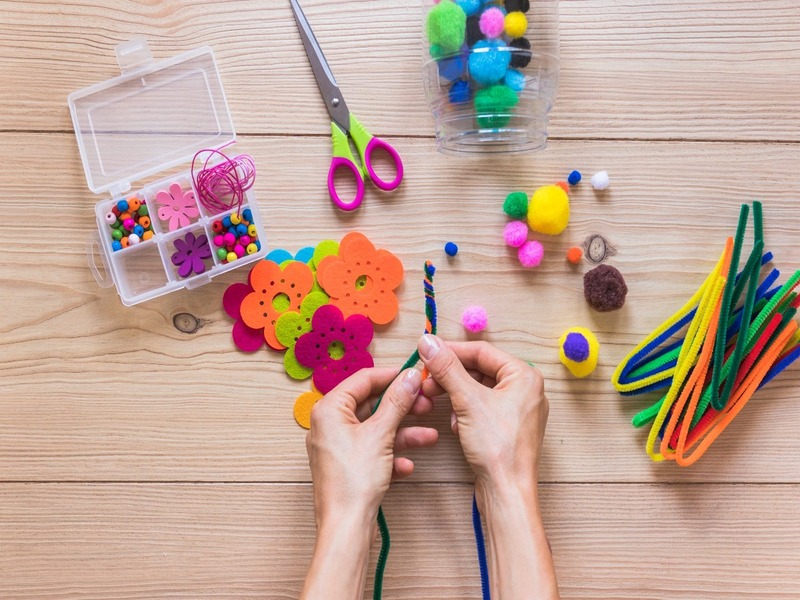
Every parent and educator kind of knows that trouble, how do you keep kids entertained while still helping them pick up important life skills? The answer feels like it’s sitting right there at the kitchen table. Getting into children’s craft activities is one of the most solid ways to mix real, hands-on learning with plain screen-free fun.
When kids craft, they’re not just making a mess , they are actually growing their minds. From sharpening fine motor skills to improving spatial sense, the advantages just keep stacking up.
And if you are trying to make a rainy afternoon, or even a classroom moment, turn into something they’ll remember, this ultimate guide will walk you through exactly what to do.
Why Crafting is Secretly a Learning Superpower
Before tossing open the supply cupboard , it’s useful to get a feel for why all of these activities matter. Crafting is kind of like a whole-body exercise for a child’s growth, you know, not just a random afternoon thing.
- Fine Motor Coordination: Snipping, sticking, and threading tiny pieces help train the small muscles in a child’s hands, so their grip and control get ready for writing.
- Cognitive Development & Math Skills: Measuring paper sizes, spotting geometric shapes, and sorting or counting objects bring in key math ideas in a way that feels natural, without the textbook pressure.
- Problem-Solving & Critical Thinking: If a project goes sideways , kids end up having to invent a workaround. “How do I make this piece of cardboard stand up ?” turns into an organic, little engineering moment..
To get the best out of it all, having the right, top-tier tools ready nearby makes a huge difference. So let’s move on and see three fun educational craft ideas that kids really, actually enjoy.
3 Creative Craft Activities That Teach and Delight
1. Sensory Textures with Glitter Foam and Holographic Card
Texture play is really beneficial for early childhood development, you know it kinda nudges the sensory nerve pathways along and also helps children get a handle on descriptive language, like smooth , rough , shiny , or bumpy.
The Learning Objective: pattern recognition and sensory vocabulary. How to do it: give your child sheets of A4 Glitter Foam (both adhesive and non adhesive versions) and a holographic card. Then have them cut out basic geometric shapes—circles , triangles and squares (not too many at first if you want it calm).Because safety is key during any children’s craft session, be sure to provide Children’s Pinking Shears or safety scissors so little fingers stay safe while cutting, fun zigzag borders or frilly edges.
Encourage them to paste these shapes onto a sturdy background to create a mosaic arrangement. While they work, ask them questions like: Which surface feels rough. And how does the light bounce back from the holographic card?
2. Exploring Light and Shadows with Heavy Duty Acetate Sheets
Science and art sort of hold hands, like during a craft session that you just start and then suddenly everyone is doing it, and it feels right. You can teach kids the basics of how light moves, optics, and transparency using those clear sheets.
The learning objective is pretty simple: getting a feel for transparency, opacity, and the role of light sources. How to do it: Grab a few Heavy Duty Acetate Sheets or maybe Transparency Film. Then use permanent markers to sketch the edges of stained glass style windows, butterflies, or even underwater scenes. After that, kids can color inside the lines with bright, transparent ink markers or water brush pens.
When they’re done, tape the artwork right on a sunny window. Then watch their faces, because the moment the sun hits, you get those vibrant, colorful shadows spreading across the floor. It’s a great, visual way to introduce the difference between transparent and opaque without making it feel like a lecture.
3. The Geometry of Origami Paper & Measurement
Folding paper isn’t just calm, it’s kinda like a masterclass in geometry, and kinda spatial reasoning too.
The Learning Objective is, for real, following multi step instructions, building spatial awareness, and then doing exact measurement. How to do it: take vibrant perfectly square Origami Paper, and walk your children through making simple animals, like frogs, birds , or foxes. For older children you can step it up a bit, grab a 1 Meter Wooden Ruler, and map out the lines on bigger sheets of paper, so a simple folding task becomes an active lesson about centimeters and inches.
When they flip , fold, and turn the paper, kids end up learning symmetry, fractions like halves or quarters, and how 3D shapes actually work.
Essential Supplies for a Kid-Friendly Craft Station
You dont need this huge art studio to spark new ideas, but having a well-stocked “ creativity kit ” helps a lot when you hit that annoying mid-project snag. If you want your craft times to feel calmer, and also stay organized, just make sure you’ve got these basics sitting nearby, like right there:
- Reliable Adhesives: A sturdy PVA glue is important and the dual-action 2 way glue pens are basically lifesavers too, especially if you’re trying to keep things tidy. For instant, mess-free sticking, throw a pack of Sticky Dots into the mix.
- Embellishments: Things like beads, sequins, and stones are great for nudging kids to learn sorting, like by size, color, or shape. It feels simple but it builds real skills.
- Quick Clean-up Storage: Crafting gets messy, yes, that’s normal! Teach kids responsibility for the cleanup part by giving them clear Tuff Bags. Those tough, zippered pouches work wonderfully for leftover scraps of foam, glitter card, and even safety scissors, so everything is ready for the next session.
Final Thoughts: The Process Over the Product
When you jump into children’s craft activities, keep the golden rule in mind, it’s more about the journey than the finished piece, you know?
It really doesn’t matter if their origami frog is a bit lopsided , or if the glitter foam mosaic turns out chaotic in a good way. The real magic shows up in that focused quiet, in the kind of problem-solving that feels almost sneaky, plus the whole buzz of picking contrasting colors, and then the genuine pride of making something from scratch all by themselves.
So , clear off the table, grab the glue pens, and let the learning start!
If you’re searching for high-quality, safe, and affordable supplies for your next family project, take a look at the extensive range of materials at HaberCrafts. It’s your online home for everything art, craft, and haberdashery.