


Blog
What Does GSM Mean in Paper and Why Does It Matter?

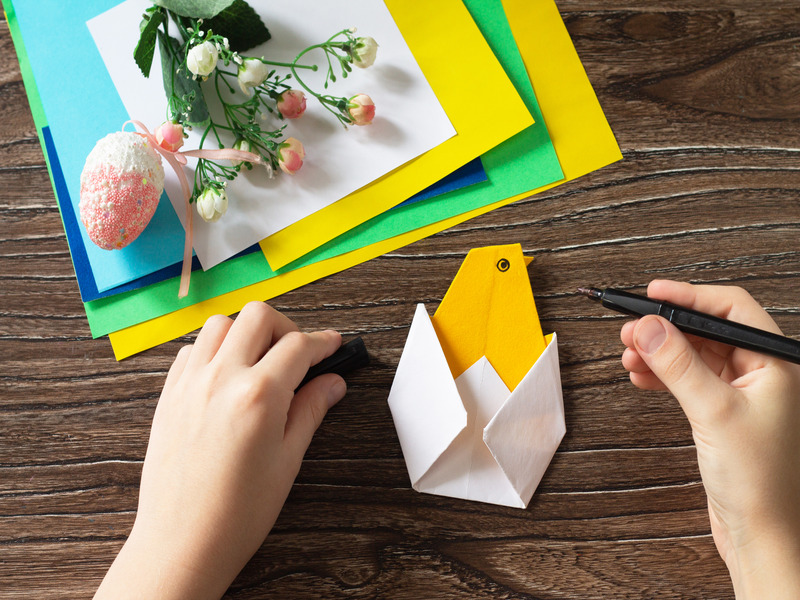
GSM denotes the weight of a square metre. The universal standard of measurement of weight and density of paper. In particular, one GSM is equal to the weight of one sheet of paper, one meter wide x one meter long. The more the GSM number is increased, the heavier, thicker and harder the paper stock will be.
What Will You Learn About Paper Weights?
GSM is a term you’ll come across when purchasing stationery, ordering print items, or shopping for art supplies online. Knowing this measurement will save you money from purchasing paper that is too flimsy or too thick to print.
This guide explains what GSM is, which weighs better for creative jobs and which for office jobs, and how to choose the best paper that suits your next project. For more insights on office essentials, check out the guide on how to shop office supplies online.
What Does GSM Actually Measure?
Many people misinterpret GSM directly with thickness but, in fact, it is a measure of areal density (weight per unit area).
- How it is calculated: A 1mm sheet of paper is weighed using a balance. If it weighs 80 grams then the paper is rated at 80 GSM.
- Density differences: Sometimes two sheets of paper can be made with the same GSM but feel slightly different. This variation depends on the type of fibers used (cotton vs. wood pulp) and the tightness of the fibers at the time of manufacture.
- Thickness vs. Weight: This is because thickness is measured as GSM, and micron is measured by caliper and they do not necessarily match.
Common Paper GSM Ranges and Their Uses
Selecting the right paper weight ensures your ink does not bleed and your structural projects hold their shape. Use the breakdown below to match paper weight to application:
| GSM Range | Category Type | Best Used For | Typical Characteristics |
| 60–90 GSM | Standard Office & Writing | Daily photocopying, home printing, notebook pages, and draft notes. | Lightweight, flexible, economical for bulk tasks. |
| 100–120 GSM | Premium Office & Notes | Letterheads, professional presentations, and technical overlay tracing sheets. | Smoother finish, reduced show-through for single/light double-sided work. |
| 130–170 GSM | Promotional Print | Advertising flyers, event posters, brochures, and single-fold menus. | Rigid enough to hold flat in hand; ideal for vibrant color reproduction. |
| 200–300 GSM | Light Cardstock & Blotting | Heavy art blotting paper, report covers, luxury pamphlets, and light packaging. | Highly durable, stiff, and capable of handling heavy ink or wet mediums. |
| 350–450 GSM | Heavy Cardboard | Business cards, greeting cards, luxury presentation folders, and product boxes. | Rigid structure, highly resistant to bending, premium tactile feel. |
Why Choosing the Right GSM Matters
Selecting the wrong paper weight can kill a creative idea or break the workflow in an office. Why it is important to pay heed to GSM:
- Preventing Ink Bleed-Through: Use low weight sheets (less than 80 GSM) which will allow wet ink or markers to run through to the back of the paper. For printing on both sides or using a fountain pen, a minimum of 90-100 GSM is needed.
- Printer Compatibility: The rollers in standard home printers are designed for a particular weight. Because heavy paper does not fit into most printers, paper jams are inevitable when printing it.
- Structural Durability: Heavy cardstock (300 GSM+) is required for craft projects such as scrapbooks, handmade gift tags, and greeting cards, as they must be held up and stand up to handling.
- Professional Presentation: Client facing proposals printed on 110-120GSM paper will feel heavy and will appear more professional than regular copy paper.
Practical Examples: Matching Projects to GSM
Let’s see how this applies in real studio/office scenarios:
- Everyday Office Printing: Use 80 GSM multi-purpose paper. Smoothly passes through print rollers without jamming and prints text documents efficiently.
- Calligraphy and Fountain Pen Writing: Choose 300gsm Premium White Blotting Paper. TAbsorbs excess wet ink or paint oils instantly, so that brush strokes remain crisp and free of smudges.
- Technical Drawings and Tracing: Opt for A4 & A3 tracing paper sheets available in 63gsm, 90gsm, and 112gsm. It offers clear, non-tearing clarity for pencils and markers.
- Corporate Business Cards: Choose 350–450 GSM card stock. This is a high-density weight that helps keep the card stiff and prevents it from bending in the wallets or postal mail. If you want to get creative, there are also origami paper that you can use for various folds..
Frequently Asked Questions
What does GSM mean in paper?
GSM refers to Grams per Square Meter. It is the mass of a 1cm x 1cm piece of paper in grams which is a measure of its density and weight.
Is a higher GSM always better quality?
No. GSM is the measure of “paper weight” — higher GSM = heavier, thicker paper. The ideal paper weight depends on the job as an 80 GSM paper is best for normal day to day office printing while a 300 GSM paper would work best for printing art and cards..
What GSM is best for everyday home printing?
Uses 80 to 90 GSM paper for standard office documents, notes and drafts, a balance between cost and printability.
Will 80 GSM paper stop ink from bleeding?
This paper is suitable for normal laser printing and ballpoint pen use, and is 80 GSM. Wet media such as fountain pens, markers, or highlighters, however, tend to bleed through so you will need to upgrade to 100 GSM or more.
How does GSM differ from paper thickness?
GSM is a unit measurement of weight. Physical thickness is the thickness of the sheet in microns across. Generally, heavier papers are thicker, but the thickness of two papers with the same GSM may vary slightly depending on the fiber content.
Key Takeaways
When you know what paper is, you don’t have to guess when making your next purchase of paper, whether it be for office use or art supplies. Use lightweight 80 GSM paper for daily use and for projects, mid-weight paper for formal proposals, and heavy 300 GSM+ cardstock or specialty papers for art, calligraphy or tough packaging. When you are working on a creative or office project, you can always find quality to make your project a professional look with Habercrafts curated collections.